For years, outside holiday lighting beinged in its very own classification. It was seasonal, short-lived, and typically dealt with as a second thought. Property owners drew boxes from the attic room, tested half-working hairs in the driveway, climbed up ladders in winter, then took every little thing down a couple of weeks later. The lights were festive, however they were hardly ever component of the design. They enhanced a home without actually belonging to it.
That distinction is fading fast.
Permanent Holiday Lights have relocated from uniqueness to create attribute, and that change is changing how people think of the outside of a home. What began as a benefit play has become something much bigger. Homeowners currently desire lighting that works in December, however likewise in July, during autumn football weekend breaks, spring parties, birthdays, college graduations, and quiet evenings on the patio area. Building contractors, remodelers, and illumination professionals have seen. So have engineers who care about rooflines, fascia information, aesthetic appeal, and nighttime presentation.
The outcome is a various conversation about exterior style. It is no longer almost exterior siding shade, home window trim, landscape design, and porch fixtures. Illumination has entered into the permanent visual language of the home.
From seasonal decoration to building element
Traditional holiday lights were constantly visible as an add-on. Also when installed nicely, the clips, cables, and small droop in between accessory points provided away. That was great when the objective was short-lived event. Nobody anticipated a seasonal strand to behave like an integrated layout feature.
A well-executed Long-term LED Lights Installation modifications that relationship completely. The illumination is usually placed inconspicuously along soffits, fascia, or trim lines, usually tucked into channels or concealed in a way that keeps the daytime appearance tidy. During the night, the impact is managed and intentional. Your home does not look embellished so much as defined.
That difference matters. Outside layout is everything about line, percentage, darkness, and emphasis. During the day, those top qualities come from materials and form. At night, illumination establishes what the eye notifications initially. A long-term system enables home owners to map roof covering heights, accent gables, frame entrances, or clean a facade with soft color while maintaining the framework's geometry. Rather than battling the architecture, the lights enhances it.
I have seen this most clearly on homes with solid rooflines that disappear after sundown. A home can have beautiful dormers, a balanced front altitude, and thoroughly chosen trim, once darkness falls, every one of that work recedes right into black area. Permanent illumination gives those kinds a 2nd life. It transforms nighttime from a blank duration into component of the style experience.
The aesthetic shift property owners actually want
One factor this classification has expanded so rapidly is that the appearance has actually developed. Early adopters commonly desired intense, very saturated screens due to the fact that the innovation made that feasible. Some still do, and there is definitely a market for bold color computer animations and event-based themes. But the bigger style fad has moved in an extra controlled direction.
Many homeowners desire subtlety. They desire a system that can celebrate holidays, yet a lot of the year they prefer something more detailed to stylish accent illumination. That is where tones like Traditional Warm Soft Lights have actually come to be especially prominent. Cozy whites and low-intensity brownish-yellow tones sit more conveniently with brick, all-natural stone, tarnished wood, and muted paint shades than stark trendy white ever before did. On standard homes, they can really feel practically classic. On more recent builds, they add heat that contemporary exteriors in some cases lack after dark.
This shift mirrors what happened inside years earlier. Individuals quit thinking of lighting as a straightforward energy and https://penzu.com/p/8a2b178a53bb4f7f began treating it as environment. The very same point is occurring outside. A property owner might make use of red and environment-friendly in December, group shades on game day, orange in October, and afterwards clear up into cozy white for day-to-day usage. That versatility makes the system useful, but the lasting impact comes from the underrated setups, not the uniqueness scenes.
Design-wise, this modifications expectations. If a lighting system is going to continue to be on the residence year-round, it can not look inexpensive or short-lived. It needs to deal with the product palette. It has to value scale. On a single-story cattle ranch, over-lighting can flatten the facade and make it really feel visually busy. On a high, slim two-story with multiple gables, a sporadic format can leave your house looking insufficient. Long-term systems compel an even more thoughtful layout approach due to the fact that they are constantly existing, even when they are hardly visible.
Curb appeal currently consists of nighttime visual appeal
Real estate professionals have actually talked about aesthetic allure for decades, however most individuals still think of it as a daytime principle. Fresh mulch, pressure-washed sidewalks, cut bushes, and a tidy front door do the hefty training. Long-term outside lights adds an additional layer: curb charm after sunset.
That issues greater than it utilized to. Individuals get back at night for much of the year. Next-door neighbors walk dogs at night. Guests typically first see a house during the night, not at midday. A residential property that reads plainly and comfortably after dark feels more completed and extra cared for.
Permanent lights can also fix a sensible design problem that common veranda lights seldom address. A single fixture at the front door develops a little swimming pool of illumination and a great deal of bordering darkness. Landscape lights help, however they usually concentrate reduced, on pathways and growing beds. Roofline illumination specifies the full overview of the home and provides the exterior depth. It makes the entire structure legible.
When it is succeeded, the result is not loud. The most effective installations frequently look simple and easy. A passerby might not quickly observe the system itself. They merely see that your home feels extra complete at night. That is generally the characteristic of good exterior design. The attribute improves the whole make-up without demanding interest every second.
The technology has lastly caught up with the idea
The concept of permanent exterior lights is not brand-new. What is new is the top quality of the equipment, controls, and installment approaches now readily available. Earlier systems often looked confusing, aged poorly, or did not have enough flexibility to validate the expense. Today's far better systems are smaller sized, a lot more sturdy, and more programmable.
That progress has expanded their design duty. Property owners can schedule scenes, dim strength, pick from a wide shade array, and change from festive to downplayed without touching a ladder. Some systems can organize areas of your house independently, which matters on bigger homes where one lights therapy ought to not cover the whole appearance uniformly. A front altitude might require a different approach from a side roofline or backyard entertaining area.
From a style standpoint, control is everything. Brightness that can not be reduced is an issue. Color that can not be softened is a problem. A system that just looks great throughout holidays is a trouble. Much better technology has actually made it possible to set up when and utilize in numerous settings, which is precisely why engineers and outside experts are taking it more seriously.
Still, the technology just helps if the style and installation are disciplined. I have actually seen pricey systems threaten or else attractive homes due to the fact that every line was lit at complete result. A lot more light is not the same as better light. The objective is power structure. The house should have centerpieces, not visual shouting.
Why engineers, building contractors, and remodelers are paying attention
Permanent lighting utilized to be something house owners thought about after relocating. Increasingly, it is being talked about during style, building, or significant exterior renovation. That is a meaningful shift.
Builders like it due to the fact that it creates a premium attribute that purchasers recognize promptly. Remodelers like it because it sets normally with new soffits, rooflines, exterior siding tasks, and trim replacement. Architects like it when they can make up fixture positioning early and maintain a clean facade. Property owners like it due to the fact that retrofitting is not their only choice anymore.
When lights is thought about in the planning stage, several things enhance. The aesthetic integration is much better because installing information can be concealed a lot more elegantly. Power and control locations can be picked wisely. The installer can work around drainage, airing vent, and trim changes instead of improvisating around finished surface areas. Even maintenance often tends to be less complicated when the system has been analyzed from the start.
This is where Irreversible LED Lights Installation comes to be more than a product purchase. It enters into the envelope and presentation technique of the home. That does not mean every home needs it, however it does suggest the classification currently belongs in the exact same conversation as exterior paint, garage door layout, landscape planning, and front entrance upgrades.
Style, restraint, and the homes that benefit most
Not every home uses long-term lights equally well. Some facades virtually invite it. Others need a lighter touch.
Homes with clear roof geometry tend to benefit the most. Think about colonials with in proportion lines, craftsman homes with split gables, contemporary farmhouses with strong eaves, and modern builds with crisp edges. These forms provide lighting a path to adhere to. The style supplies order, and the lights intensifies it.
More complex facades can still look outstanding, but they require judgment. A house with numerous intersecting rooflines, multiple bump-outs, and varied products can become aesthetically disorderly if every edge is lit up. In those cases, careful illumination works better. Accentuating the primary ridgeline and entrance volume might produce a stronger outcome than tracing every contour.
Historic homes require a lot more care. The question is not just whether illumination can be mounted, but whether it ought to reveal itself whatsoever. On some standard residential or commercial properties, especially those with mature landscaping and period details, a silent warm-white method fits magnificently. On others, noticeable color modifications and animation can feel out of step with the character of the style. Preference issues here, therefore does neighborhood context.
One of the biggest false impressions is that permanent vacation systems are naturally fancy. They can be, of course. Yet that claims even more regarding shows options than the system itself. Used thoughtfully, they are as much about subtle nightly atmosphere as celebration.
The comfort tale is real, but it is just part of the appeal
The strongest sales pitch most homeowners listen to very first is comfort. No yearly ladder work. No tangled hairs. No burnt sections. No clips left in seamless gutters. No shuffle when climate turns cool. All of that is true, and for lots of households it is factor enough.
But benefit alone does not clarify why this classification is influencing design. Plenty of helpful products never change the method homes look. Permanent lights is various because it addresses a trouble while likewise producing a new aesthetic opportunity. That mix is powerful.
There is additionally a safety angle that need to not be lessened. Seasonal roofline lights has constantly involved risk. Also cautious property owners are still on ladders, frequently in inadequate climate, frequently hurrying. The cost of a long-term system needs to be weighed versus that yearly routine. For some houses, particularly older house owners or hectic households that outsource vacation setup annually, the long-term value comes to be much easier to see.
Even so, I would caution against watching it as an universal money saver. The economics depend upon your house, the local labor market, the type of system, and just how frequently the property owner actually uses it. A small one-story home may have a different repayment story than a big custom-made build with complicated rooflines and substantial shows. It is better to think of permanent illumination the method individuals think of a built-in outdoor cooking area or upgraded landscape illumination. It adds feature and experience initially, with financial savings in some cases adhering to relying on the situation.
Where poor installation can hurt the design
Because these systems are coming to be more popular, more installers are entering the marketplace. That is not constantly excellent information. Exterior illumination is unforgiving. A weak set up does not remain hidden.
The usual failures are predictable. Noticeable wiring damages the clean daytime look. Inadequately aligned fixtures make the roofline appear wavy. Inconsistent spacing develops locations and dead areas. Placing approaches that do not respect water monitoring can develop bigger problems than the lights themselves. The wrong color temperature level can make a stunning exterior appearance level, severe, or oddly commercial.
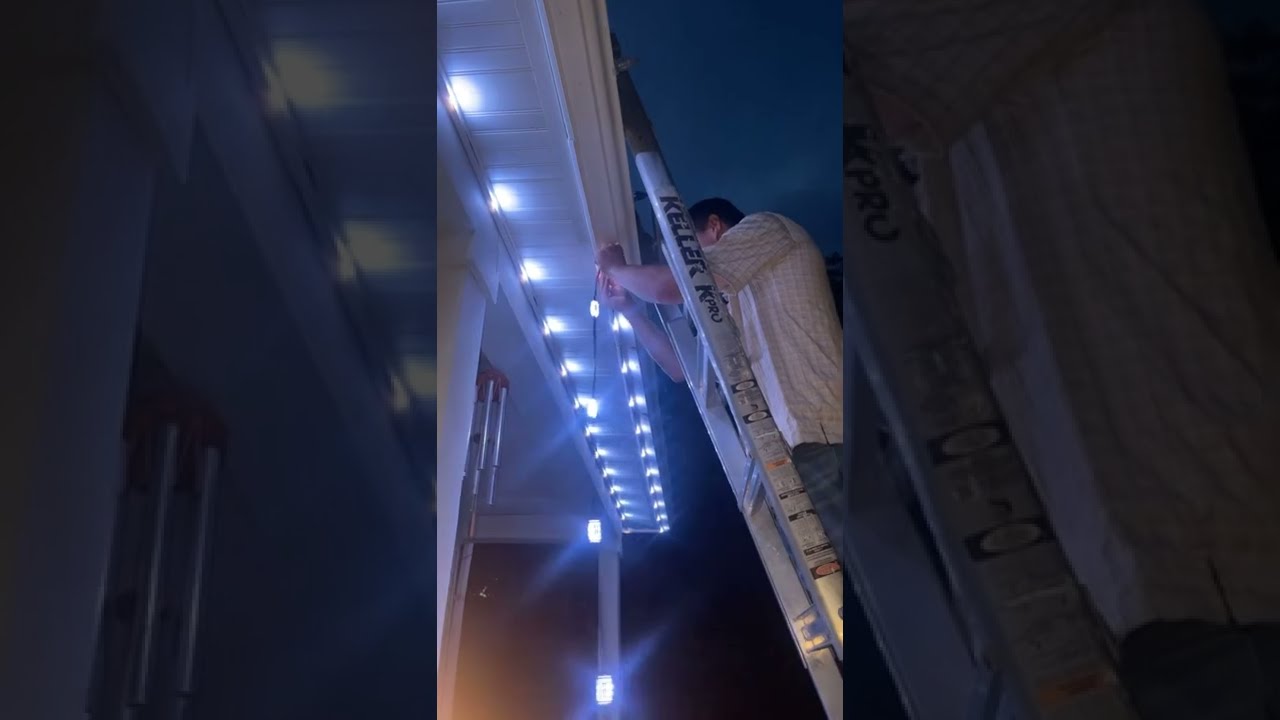
A good installer recognizes both electric reliability and aesthetic structure. They need to talk about sightlines, trim information, daytime cover-up, illumination control, and service gain access to. If the whole conversation is nearly app features and color alternatives, that is an indication. The installation requires to offer your house, not the various other method around.
Here are a few concerns worth asking prior to moving forward:
How noticeable will certainly the track, cord, or fixture body be during the day? What brightness range functions best for everyday usage, not just holiday settings? How will certainly the system engage with existing patio, landscape, and safety and security lighting? What happens if a section stops working, and how easy is it to service? Can the installer program examples on homes with comparable design and materials?Those concerns have a tendency to divide design-minded professionals from sales-first operators.
Neighborhood personality and the brand-new rules of exterior lighting
As much more homes adopt irreversible systems, area standards are altering also. That has design ramifications beyond one property line.
In some locations, these lights have entered into a more comprehensive approach curated outside atmospheres. Individuals buy hardscaping, accent illumination, updated garage doors, and covered patio areas, then see long-term roofline illumination as the completing piece. In other areas, the same system can keep an eye out of location if most homes are downplayed and dark after 9 p.m.
This is where decorum and style overlap. Even if a system can do intense color chases at high brightness does not indicate it must every night. House owners that use irreversible lighting well tend to comprehend context. They lower it. They reserve bolder scenes for actual occasions. They recognize when warm white is enough.
That level of sensitivity matters for another reason: overuse can develop backlash. If long-term lights becomes associated only with excess, some house owners and HOAs will certainly resist it. If it is seen as attractive, versatile, and architecturally considerate, it will keep getting approval as a reputable exterior design tool.
Energy usage, toughness, and the sensible side of year-round lighting
LED systems are efficient, however performance does not get rid of the requirement for sound judgment. Running a permanent system every evening at full brightness for extended periods is different from utilizing dimmed accent scenes for a few night hours. Consumption differs by system dimension and setups, so wide claims need to be treated carefully.
Durability also depends on setting. Coastal air, extreme sunlight, freeze-thaw cycles, and heavy tornados all stress and anxiety outside elements. Better systems are constructed for those conditions, yet no item is unsusceptible to inadequate installment or neglect. House owners should expect periodic upkeep, software updates, or component substitute for many years. Permanent does not indicate maintenance-free. It implies repaired in position and made for long-term use.
That said, lots of people are amazed by how low-profile these systems can be as soon as installed properly. From the aesthetic in daylight, a well-matched channel under the soffit typically vanishes unless you know to search for it. During the night, the lights turn on a part of the home that utilized to go visually dormant. That makeover is what maintains the category growing.
Why this pattern is likely to stick
Some home upgrades ride a wave of excitement and afterwards discolor. Long-term Vacation Lights do not look like one of those fads. They rest at the intersection of ease, safety and security, personalization, and layout, which gives them unusual remaining power.
More significantly, they address a genuine adjustment in how homeowners utilize their exteriors. Exterior living is no more just a summer concept. Front facades are expected to really feel welcoming year-round. Enjoyable extends into nights. Households want the ability to change a home's state of mind without physically remodeling it every time the schedule changes.
The best sign that this fad is long lasting is that the very best installations barely read as trend-driven. They check out as taken into consideration layout. A residence detailed in Classic Cozy Soft Lights on a wintertime night does not feel newfangled. It feels composed. A thoroughly planned Permanent LED Illumination Installation that highlights style, sustains safety, and gives a home owner seasonal flexibility is doing much more than replacing a box of string lights.
It is redefining what a finished outside can be.
As that idea spreads, even more homes will be developed with nighttime identity in mind from the very start. For engineers and building contractors, that changes preparing. For specialists, it elevates bench on execution. For homeowners, it opens a brand-new classification of expression that was not functional a decade ago.
The bigger change is simple: lighting is no longer simply decoration applied to the beyond the home. It has actually become part of the home's exterior design itself. And once people see what that looks like when it is done well, it is difficult to return to a couple of short-lived hairs and a cold weekend on a ladder.